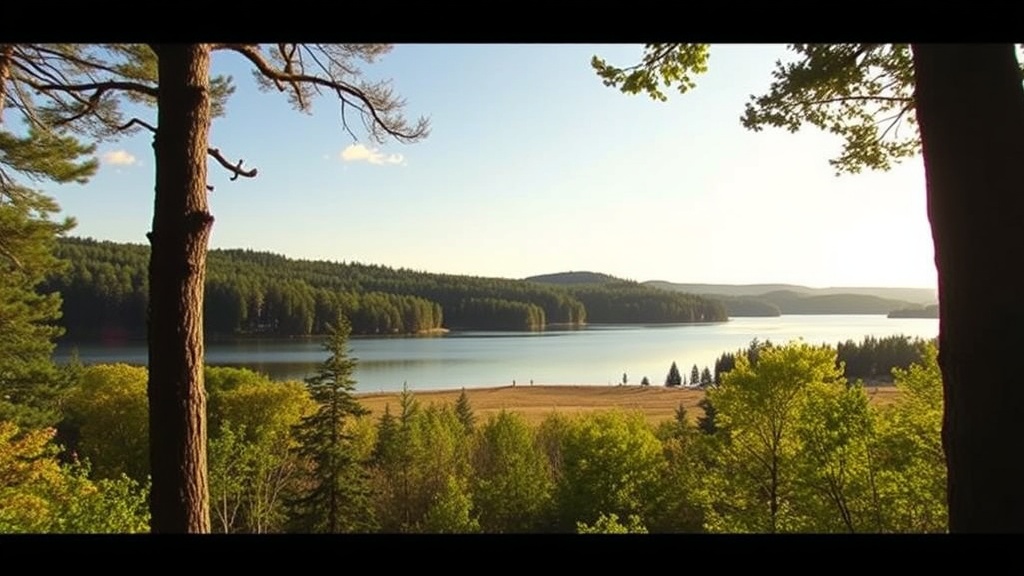
Discovering Bois-des-Filion: A Complete Local's Guide to Hidden Gems

This guide covers everything worth knowing about Bois-des-Filion — parks that locals actually frequent, restaurants that don't show up on typical tourist lists, and the quiet spots that make this Lanaudière town worth a visit. Whether you're planning a day trip from Montreal, considering a move, or just curious about what sits beyond the usual Quebec tourism circuit, you'll find practical details here. No fluff. Just the real Bois-des-Filion.
What's the Best Way to Get to Bois-des-Filion?
By car — it's the only practical option. Bois-des-Filion sits roughly 45 kilometers north of Montreal, just off Autoroute 15 (the Laurentian Autoroute). Take exit 76, head east on Boulevard des Seigneurs, and you're there in under 10 minutes. No train station serves the town directly, and while bus connections exist from the Exo network (previously the CIT Laurentides), schedules are limited. Driving takes about 35-40 minutes from downtown Montreal without traffic. That said, weekend traffic toward the Laurentians can add 20 minutes easily — plan accordingly.
Once arrived, parking is refreshingly simple. Most attractions, including the waterfront areas and commercial strips, offer free street parking or small lots. There's no complex permit system to navigate, no paid meters — just pull up and walk. The town's compact size means you won't drive more than 5-10 minutes between any two points of interest.
What Are the Must-Visit Outdoor Spots in Bois-des-Filion?
Start with Parc de la Rivière-des-Mille-Îles. This regional park borders the northern edge of town and offers kayaking, canoeing, and paddleboarding through a network of islands and marsh channels. The water trails here connect to a larger system stretching through Laval and the Lower Laurentians — over 100 kilometers of navigable routes. Equipment rentals run through Éco-Nature at the Des Moulins sector in nearby Terrebonne, though Bois-des-Filion residents often launch private kayaks from the informal put-in near Place du Portage.
The Rivière des Mille Îles itself defines the town's character. Unlike the more developed shores in Laval, the Bois-des-Filion waterfront retains a quieter, almost forgotten quality. You'll find locals fishing for yellow perch and northern pike from the docks near Parc Jean-Baptiste-Rolland — particularly active at dawn. Bring your own gear; there are no bait shops in town proper.
For walking and cycling, the Corridor Aérobique presents the best option. This 58-kilometer trail network runs through the region on a former railway bed. The Bois-des-Filion section connects east to Sainte-Thérèse and west toward Laval — flat, paved, suitable for strollers and road bikes alike. Access it near the intersection of Boulevard Adolphe-Chapleau and Rue de la Seine.
Parks at a Glance
| Park | Best For | Facilities | Time Needed |
|---|---|---|---|
| Parc de la Rivière-des-Mille-Îles | Water activities, wildlife | Boat launch, picnic tables, trails | Half day |
| Parc Jean-Baptiste-Rolland | Fishing, quiet walks | Docks, benches, parking | 1-2 hours |
| Parc du Domaine-Joliette | Family outings, sports | Playground, tennis courts, splash pad | 2-3 hours |
| Corridor Aérobique access | Cycling, running | Paved trail, minimal facilities | Variable |
Here's the thing about Bois-des-Filion parks — they don't try too hard. You won't find elaborate interpretive centers or gift shops. What you get instead is functional green space that respects the natural landscape. Parc du Domaine-Joliette, while more developed with its tennis courts and seasonal splash pad, still feels like a neighborhood gathering spot rather than a municipal showpiece. Parents bring kids after school. Old men play pétanque near the pavilion. It's unpretentious — and that's the appeal.
Where Do Locals Actually Eat in Bois-des-Filion?
The dining scene here is compact and unapologetically casual. You're not coming for fine dining — you're coming for honest plates, generous portions, and prices that haven't caught up to Montreal inflation yet.
Le Filion Pub reigns as the town's unofficial living room. Located on Boulevard Adolphe-Chapleau, this neighborhood tavern serves standard Quebec pub fare — burgers, poutine, club sandwiches — executed reliably. The terrasse fills up fast on summer evenings. Locals know to arrive before 6 PM on weekends or expect a 20-minute wait. Nothing revolutionary on the menu, but the beer is cold, the service is quick, and the regulars have been occupying the same bar stools for decades.
For pizza, Pizzeria Filion delivers thin-crust pies that hit the right notes — chewy dough, quality cheese distribution, sauce that doesn't taste like it came from a #10 can. The pepperoni-mushroom-green pepper combination (a Quebec classic) is their best seller for good reason. Skip the chain options visible from the highway; this family-run spot on Montée Gagnon has outlasted three competing franchises in the past decade alone.
Breakfast seekers head to Restaurant Chez Cora — not the Montreal location, but the original-adjacent spot that predates the massive franchise expansion. Cora Tsouflidou opened her first restaurant in the area, and while the brand has since gone national, this location retains a certain local loyalty. The fruit plates are excessive (in the best way), and the crepes arrive properly thin and lacy.
The catch? Evening options thin out considerably after 9 PM. This isn't a late-night town. Plan dinner accordingly, or expect to drive to nearby Sainte-Thérèse or Rosemère for extended hours.
What Makes Bois-des-Filion Different From Neighboring Towns?
Scale and ambition — specifically, the lack of后者. Sainte-Thérèse has its college-town energy and shopping districts. Rosemère carries old-money prestige with its estate homes and golf clubs. Laval sprawls with big-box retail and transit connections. Bois-des-Filion occupies a middle ground — working-class roots, modest housing stock, and a stubborn resistance to becoming anything other than what it is.
The housing tells the story. You'll find 1970s bungalows on generous lots, mid-century cottages updated (or not), and newer infill development that respects the established street grid. No glass condo towers. No master-planned communities with faux-English names. The built environment here evolved organically — for better and occasionally for worse.
This character extends to the commercial strips. Boulevard Adolphe-Chapleau and Montée Gagnon host independent businesses that have survived through community loyalty rather than marketing budgets. The hardware store that's been family-owned since 1962. The bakery that closes at 3 PM because the bread sells out. These aren't curated "authentic experiences" — they're just how things work here.
Are There Any Hidden Historical Spots Worth Finding?
Yes — though you'll need to look carefully. Bois-des-Filion doesn't promote its history aggressively, but traces remain. The town's name itself references the Filion family, early settlers who established mills along the river in the 19th century. The original mill site sits near the modern water treatment facility — not glamorous, but historically significant.
The old Saint-Joseph-de-Bois-des-Filion church cemetery (behind the current Église Saint-Joseph on Boulevard des Seigneurs) contains headstones dating to the 1850s. The stone markers tell the story of Irish and French-Canadian settlement patterns in the region — names like Murphy, O'Connor, and Lefebvre (ahem) appear alongside each other, evidence of the area's unique demographic blending.
For a deeper dive, the Musée de la Société des Musées des Seigneuries in nearby Sainte-Thérèse covers regional history including Bois-des-Filion's development. Worth noting — the museum's archives contain property records and photographs that explain how this riverside settlement transformed from agricultural community to bedroom suburb between 1950 and 1980.
When's the Best Time to Visit Bois-des-Filion?
Fall. Specifically, late September through mid-October. The foliage along the Rivière des Mille Îles explodes into color — reds and golds reflected in still water, maples overhanging the trail corridors. Temperatures sit in that perfect sweater-weather range, and the mosquito populations that plague summer paddlers have finally died off.
Winter visits have their own appeal if you're prepared for Quebec cold. The Corridor Aérobique converts to a cross-country skiing and snowshoeing route when snow falls. Local trails see minimal grooming — you're breaking your own path through Parc de la Rivière-des-Mille-Îles, which feels appropriately adventurous. Ice fishing shacks appear on the river by January, though check ice thickness carefully; the current can create thin spots.
Summer brings the most activity — kayaking rentals peak, the splash pad at Domaine-Joliette runs daily, and the pub terraces stay busy. Spring (April-May) can be muddy and grey, the in-between season when nothing looks its best. Plan around it if possible.
Seasonal Activities Overview
| Season | Top Activity | Conditions | Crowd Level |
|---|---|---|---|
| Spring (Apr-May) | Cycling Corridor Aérobique | Wet trails, variable weather | Low |
| Summer (Jun-Aug) | Kayaking Rivière des Mille Îles | Warm, humid, mosquitoes | Medium |
| Fall (Sep-Oct) | Foliage viewing, hiking | Crisp, dry, spectacular colors | Medium-High |
| Winter (Nov-Mar) | Cross-country skiing, ice fishing | Cold, snow-dependent | Low |
Bois-des-Filion rewards visitors who adjust their expectations. You won't find curated tourism experiences, boutique hotels, or Instagram-famous landmarks. What you get instead is an unvarnished look at small-town Quebec life — accessible outdoor recreation, honest food, and a riverside setting that hasn't been fully discovered. For some travelers, that's exactly the point. Pack accordingly, respect the local rhythm, and you might just understand why people who live here rarely leave.